
Why Old Injuries Never Fully Heal (And What Your Body Is Trying to Tell You)
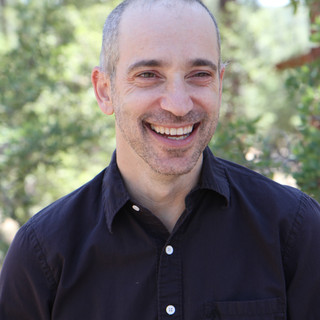
Dr. Rob Benhuri

Almost everyone has one.
An ankle that never quite feels the same after a sprain. A shoulder that tightens up every winter. A low back injury that seems to flare up whenever stress gets high.
Years can pass, yet the body still remembers.
Many people assume this is just part of aging or “scar tissue,” but in the medicine I practice, lingering injuries often point to something very specific:
circulation never fully returned to the area.
When the body can’t completely restore flow to a previously injured tissue, the healing process stalls. The injury may look fine on the surface, but underneath, the system hasn’t fully reset.
Why Injuries Should Heal — But Sometimes Don’t
The body is designed to repair itself remarkably well.
When tissue is injured, the body normally responds by increasing circulation to the area. Blood brings oxygen, nutrients, and immune cells that help rebuild damaged structures.
Over time, inflammation resolves, tissues strengthen, and the body returns to balance.
But if circulation remains restricted — even slightly — healing slows dramatically.
This is where many “chronic” injuries begin.
What Stagnation Feels Like
When circulation doesn’t fully return, people often notice certain patterns.
The area may feel:
stiff or tight in the morning
worse in cold weather
achy after sitting too long
sensitive to pressure
prone to reinjury
slow to warm up with movement
Sometimes the pain is dull and persistent. Other times it feels sharp and localized.
These are classic signs that the body is still holding a pocket of restricted circulation.
In traditional physiology, this pattern is known as blood stagnation.
Why the Body Holds Onto Old Injuries
Several factors can prevent full recovery.
Incomplete circulation recovery
After the initial injury heals, circulation may not fully normalize.
Guarding patterns
Muscles surrounding the injury tighten protectively, limiting movement and blood flow.
Stress and tension
Chronic stress can subtly reduce circulation to already vulnerable areas.
Cold exposure
Cold environments constrict blood vessels and can aggravate stagnant areas.
Over time, these factors create a cycle where the injury never quite resolves.
Why Old Injuries Often Flare During Stress
Many people notice something interesting: their old injury returns when life becomes stressful.
This happens because stress activates the sympathetic nervous system — the body’s “fight or flight” mode.
When this system is dominant, circulation shifts away from muscles and connective tissue toward vital organs.
Areas that already had compromised circulation are the first to feel the change.
The result is familiar:
tightness, stiffness, or pain returning seemingly out of nowhere.

How Acupuncture Helps Restart Healing
Acupuncture works particularly well for old injuries because it focuses directly on restoring circulation.
Needling specific points can:
increase blood flow to the injured area
release protective muscle tension
stimulate tissue repair
reduce inflammation
reset nerve signaling around the injury
Many patients notice that areas that felt chronically tight begin to feel warmer, looser, and more mobile after treatment.
Sometimes the body simply needed a signal to restart the healing process it began years ago.
Supporting Circulation With Herbs
Traditional herbal formulas often include ingredients that help move blood and support tissue recovery.
These herbs are used to:
improve circulation
reduce lingering inflammation
support connective tissue repair
ease stubborn pain patterns
Several upcoming New Frontier Apothecary formulas are being developed specifically with circulation and recovery in mind — inspired by both traditional herbal approaches and frontier-era botanical medicine.
A Note on the Body’s Memory
Your body remembers injuries even after the pain fades.
But memory isn’t the same as permanence.
When circulation returns and the tissue receives proper support, areas that have felt “stuck” for years can begin to change surprisingly quickly.
Sometimes healing isn’t about starting over.
It’s about finishing a process that never quite completed.



Comments